Discovering Mount Fuji: A Hakone and Five Lakes Journey
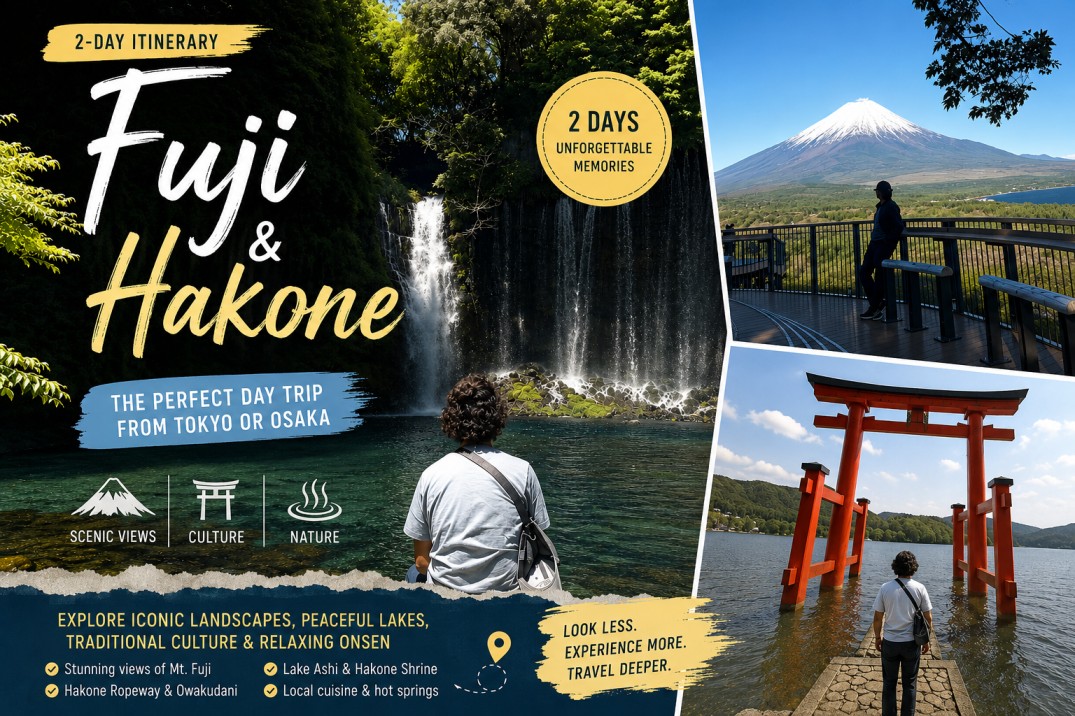
This travel album captures a complete road trip circuit around Hakone and the Fuji Five Lakes starting from Mishima Station. While you can adapt this loop to start from any point that fits your schedule, this guide outlines the exact route, stops, and highlights experienced along the way.
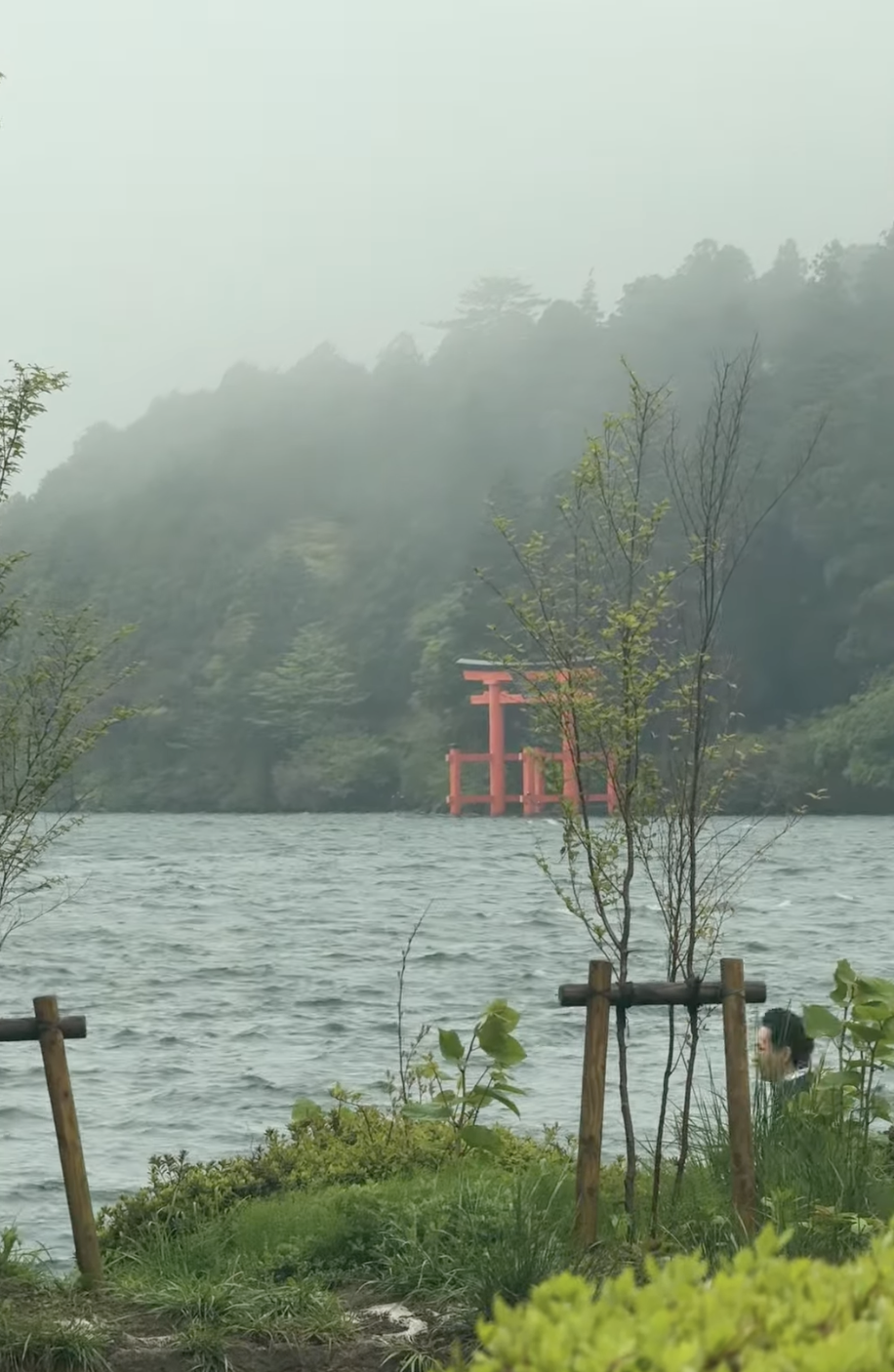
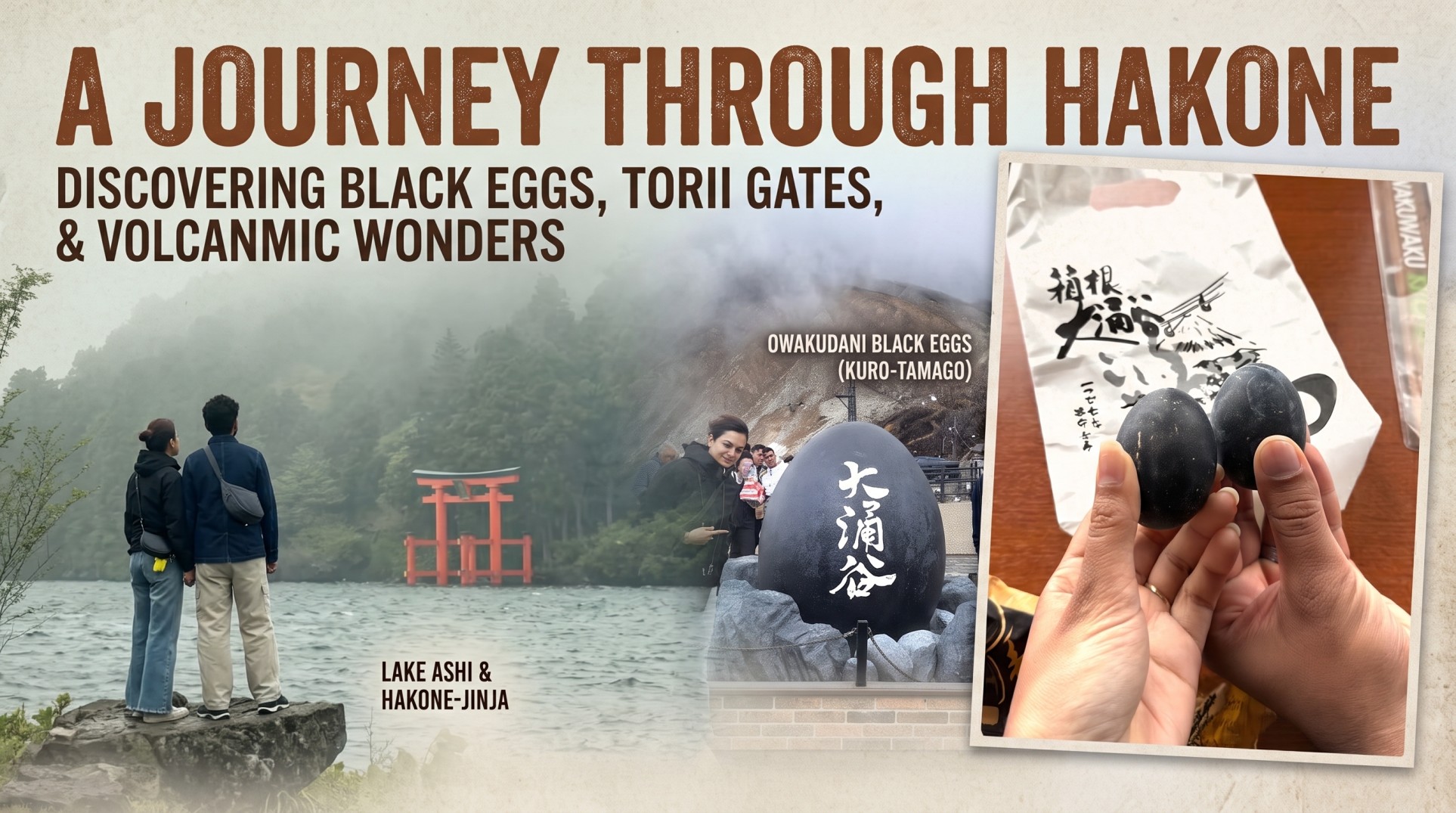
The journey begins by picking up a rental car at Mishima Station and heading straight to the first stop, Lake Ashi in Hakone. While heavy fog obscured Mount Fuji during this visit, clear days offer an iconic view of the mountain behind the famous lakeside torii gate (be prepared for a queue for photo opportunities). From the lake, head up to the volcanic valley of Owakudani to explore the active vents, check out the museum, and sample the famous longevity-giving black eggs (kuro-tamago).
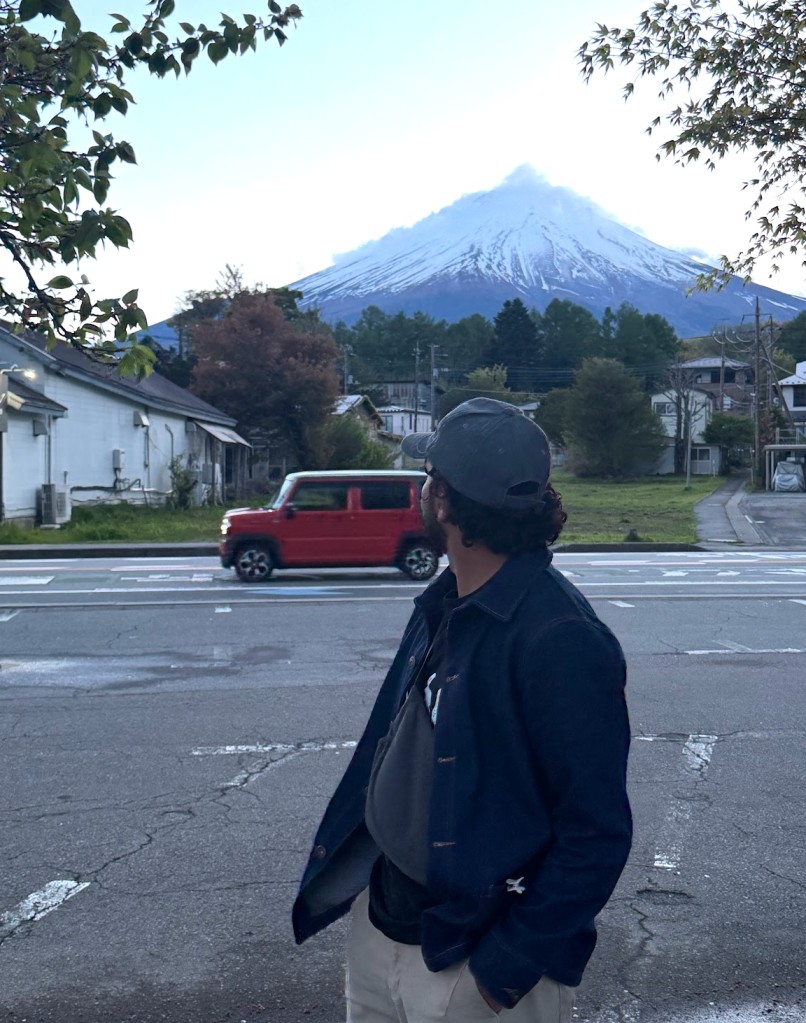
The route then heads north toward Lake Yamanaka for an overnight stay. As evening sets in, clearing skies reveal stunning views of Mount Fuji over the water.
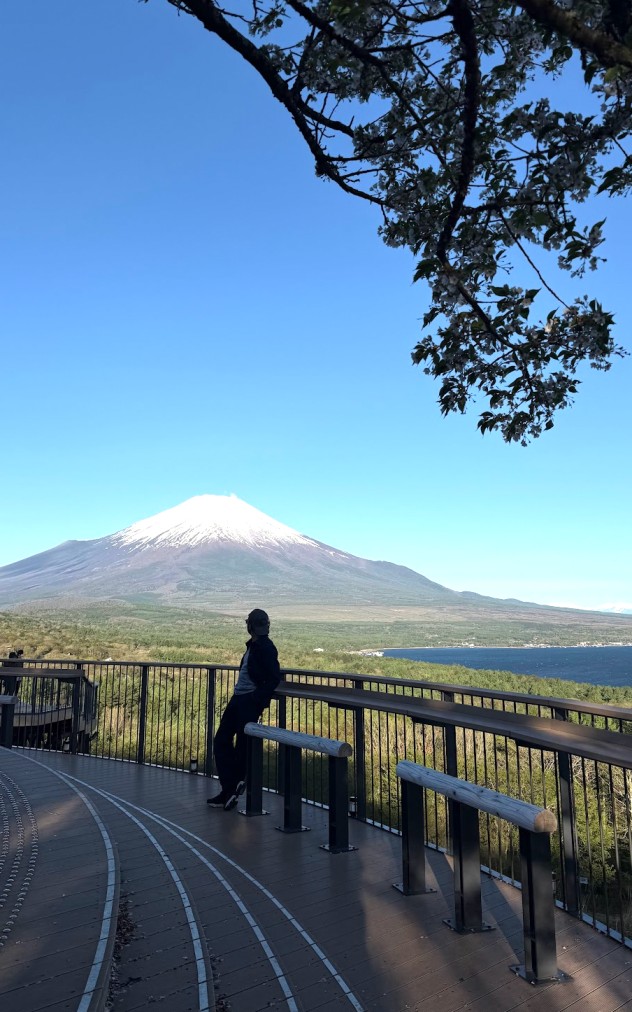
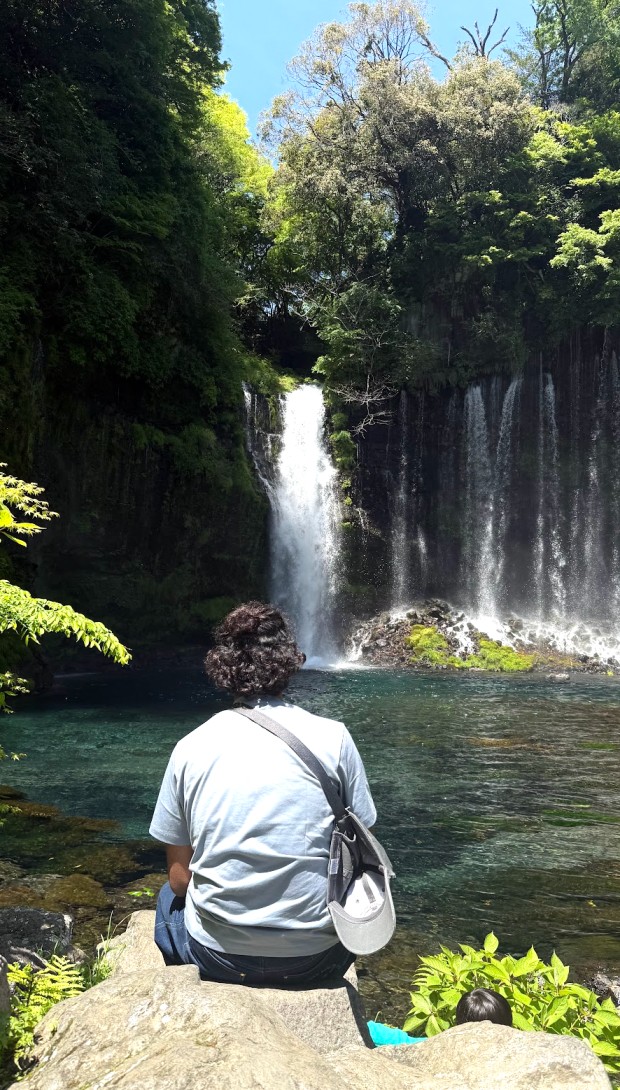
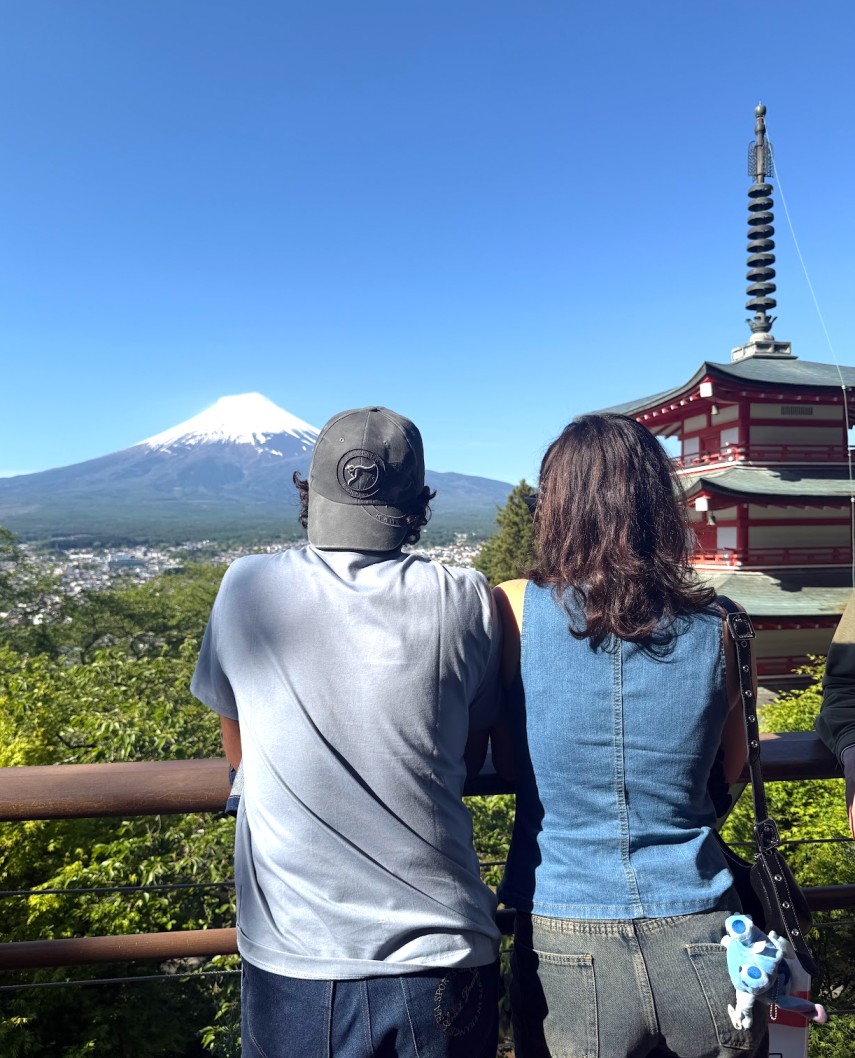
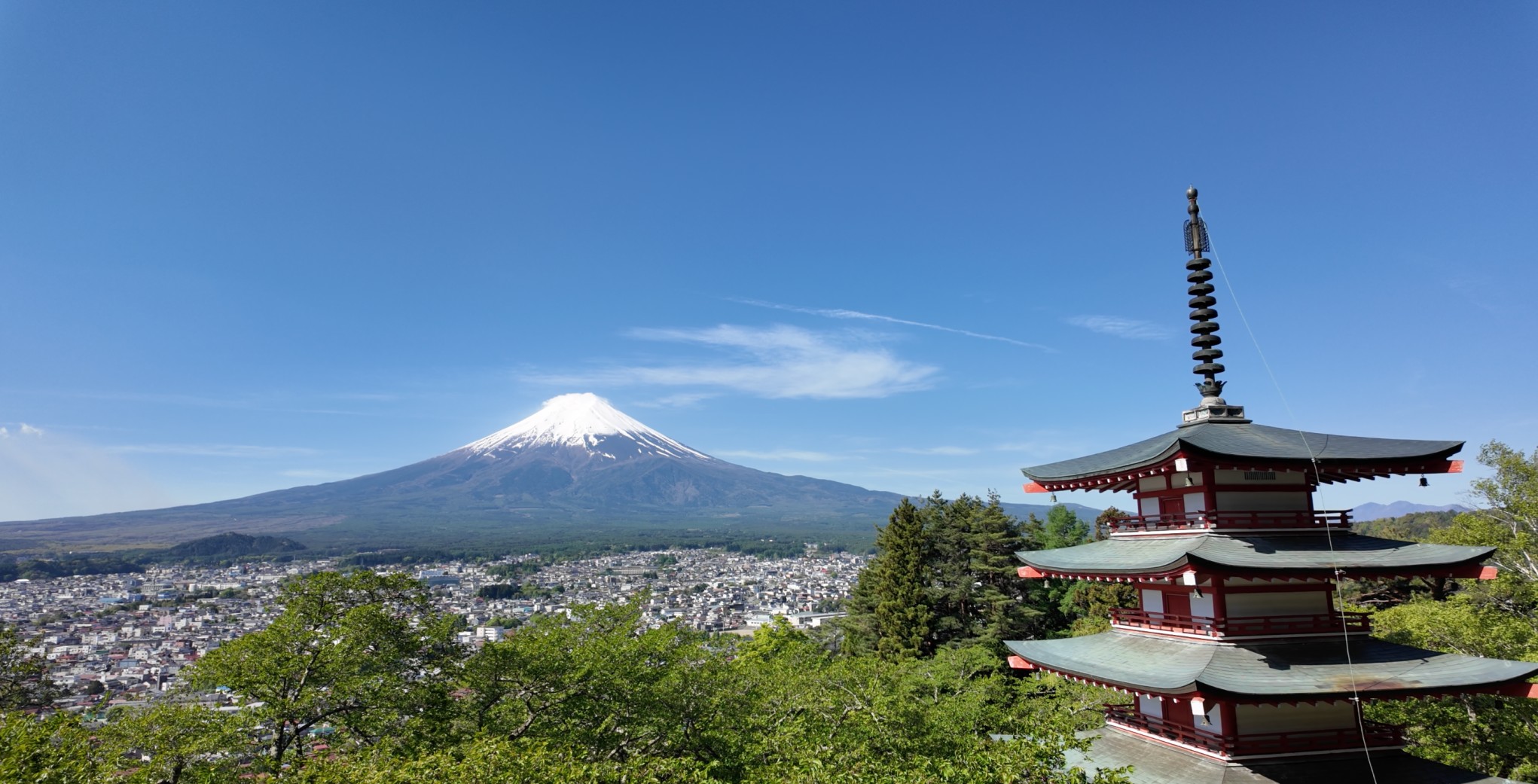
Day two kicks off early at Nagaike Water Park along Lake Yamanaka’s northern shore for scenic reflections, followed by sweeping elevated vistas from the Yamanakako Panorama-dai viewpoint. From there, head to the iconic Chureito Pagoda (Arakurayama Sengen Park) for classic postcard-worthy views, followed by a scenic drive around Lake Kawaguchiko and the surrounding Fuji Five Lakes with stops at key viewpoints along the shore. The journey wraps up with a visit to the cascading waters of Shiraito Falls, with the option to explore the nearby Narusawa Ice Cave if time permits.
Spots in this Travel Album
Day 1
Mishima Station
Lake Ashi
Hakone: The Ultimate Hot Spring
Located just a short distance from Mount Fuji, Hakone is Japan's premier hot spring (onsen) resort destination. It offers a perfect blend of steaming volcanic valleys, serene lake views featuring the iconic "floating" Torii gate of Hakone Shrine, and dense, lush mountains. As a professional traveler based in Japan, driving through the winding mountain roads of Hakone and soaking in an open-air bath after a long day of exploration is an unmatched experience. Unlike standard tourist hubs, Hakone requires a bit of strategic planning to navigate its mountainous terrain efficiently. In this comprehensive guide, I break down everything from the must-see volcanic vents of Owakudani to the exact drive and train logistics from both Kansai and Tokyo. Hakone is a diverse national park that rewards both active explorers and those simply looking to unwind. Owakudani (大涌谷): Known as the "Great Boiling Valley," this active volcanic zone is a sensory experience. You can walk along trails surrounded by rising sulfur steam and bubbling hot springs. Eating a Kuro-tamago (black egg), which is boiled directly in the sulfuric waters, is a local tradition said to add seven years to your life. Lake Ashi & Hakone Shrine (芦ノ湖と箱根神社): Formed in the caldera of Mount Hakone after a volcanic eruption 3,000 years ago, Lake Ashi is breathtaking. The highlight is taking a photo at the massive red Torii gate of Hakone Shrine, which appears to float on the water's edge. On clear days, you can see Mount Fuji perfectly framed behind the lake. World-Class Onsen (温泉): Hakone has been a legendary hot spring retreat for centuries. Whether you stay at a luxury ryokan (traditional inn) or visit a day-use bathhouse (higaeri-onsen), soaking in the mineral-rich waters surrounded by forest views is the ultimate way to recharge.
View Spot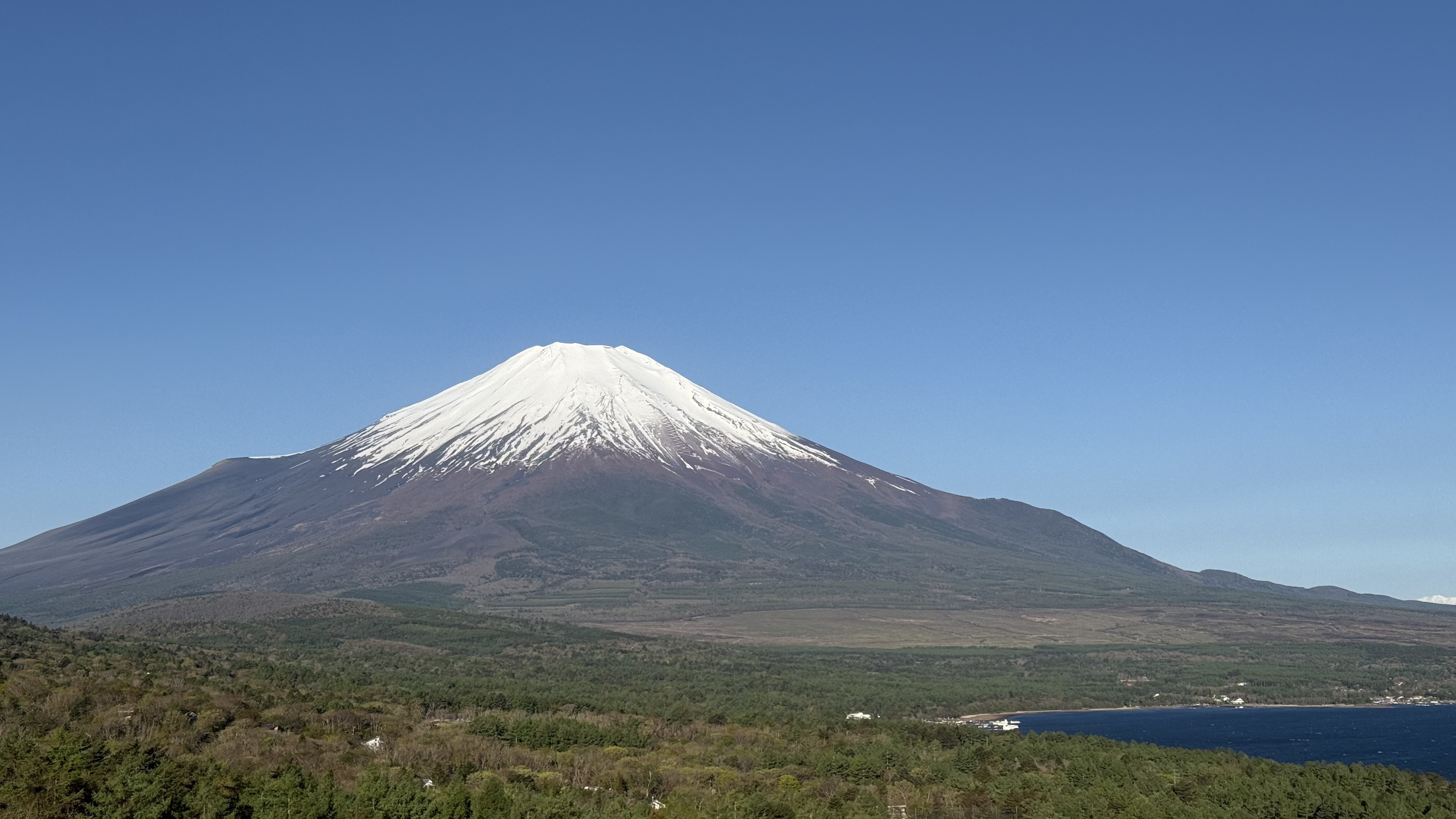
Lake Yamanaka: The Closest Fuji Five Lake
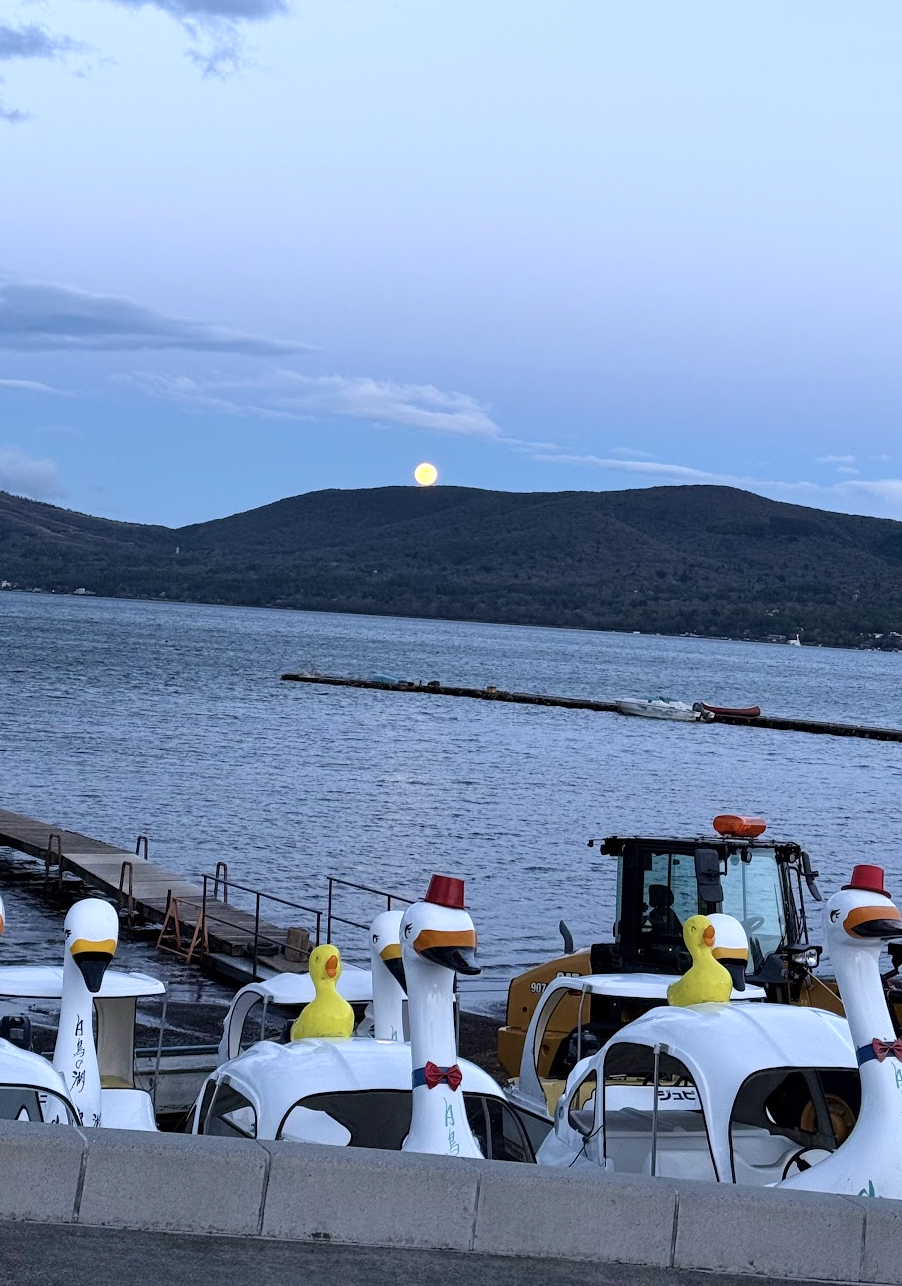
While neighboring Kawaguchiko draws massive international crowds, Lake Yamanaka (Yamanakako)—the largest and closest of the Fuji Five Lakes to Mount Fuji—offers a much more serene, breathtaking alternative. As a professional traveler based in Japan, I recently made the long drive from Osaka up to the Fuji region for a multi-day holiday, and Yamanakako was an absolute highlight of the trip. From cycling along the peaceful shores to witnessing the majestic, unobstructed views of Mt. Fuji at Nagaike Shinsui Park, it is the ultimate scenic escape. In this comprehensive guide, I break down everything you need to know to plan your trip. Unlike the bustling tourist centers nearby, Lake Yamanaka's charm lies in its expansive nature, making it the perfect destination to slow down, breathe in the crisp mountain air, and take in Japan's most iconic mountain. Nagaike Shinsui Park (長池親水公園): If you are looking for the ultimate photograph of Mt. Fuji, this is the spot. Located on the northern shore of the lake, it offers an entirely unobstructed view of the mountain sweeping down to the water. In the calm mornings, you can capture the famous "Double Fuji" (a perfect reflection on the water). The Swans of Yamanakako (白鳥の湖): The lake is famous for its resident whooper swans that glide gracefully near the shores, perfectly complementing the mountain backdrop. Cycling the Perimeter (湖畔サイクリング): Lake Yamanaka features excellent, dedicated cycling paths that run along the shoreline. Biking around the lake takes about 1.5 to 2 hours at a leisurely pace.
View SpotDay 2
Nagaike Water Park
Yamanakako Myojinyama Panorama-dai
Chureito Pagoda: Japan's Iconic Postcard View
Perched on the mountainside of Mount Arakura in Fujiyoshida, Yamanashi Prefecture, the Chureito Pagoda (Arakurayama Sengen Park) offers the quintessential postcard view of Japan. The perfect alignment of the vibrant crimson five-story pagoda, the seasonal flora below, and the symmetrical grandeur of Mount Fuji standing in the background creates an unforgettable visual masterpiece. For photographers, filmmakers, and travelers, conquering the 398 stone steps up the "Sakuya Stairs" leads to an observation deck with a visual payoff that instantly rewards the climb. Arakurayama Sengen Park is a hillside sanctuary that rewards those willing to put in a light workout. The 398 Sakuya Stairs (咲くや姫階段): To reach the famous viewpoint behind the pagoda, you will ascend the 398 stone steps known as the "Sakuya Stairs" (named after Konohanasakuya-hime, the deity of Mount Fuji). It is a moderately steep 15 to 20-minute climb lined with traditional lanterns and dense forest. For those with strollers or mobility concerns, a gently sloping paved switchback trail runs parallel to the staircase. The Observation Deck (展望デッキ): At the top of the stairs, directly behind the five-story peace pagoda, sits the newly expanded wooden observation deck. This is the exact vantage point featured in travel magazines worldwide. Using a standard 24–70mm lens or a wide-angle lens allows you to frame the red pagoda on the left, the rolling slopes in the midground, and Mount Fuji anchoring the horizon. Arakura Fuji Sengen Shrine (新倉富士浅間神社): Located at the base of the park before you start the climb, this historic shrine dates back to the 8th century. It is a peaceful place to pay respects, purchase a travel amulet, or collect a commemorative goshuin (shrine stamp).
View Spot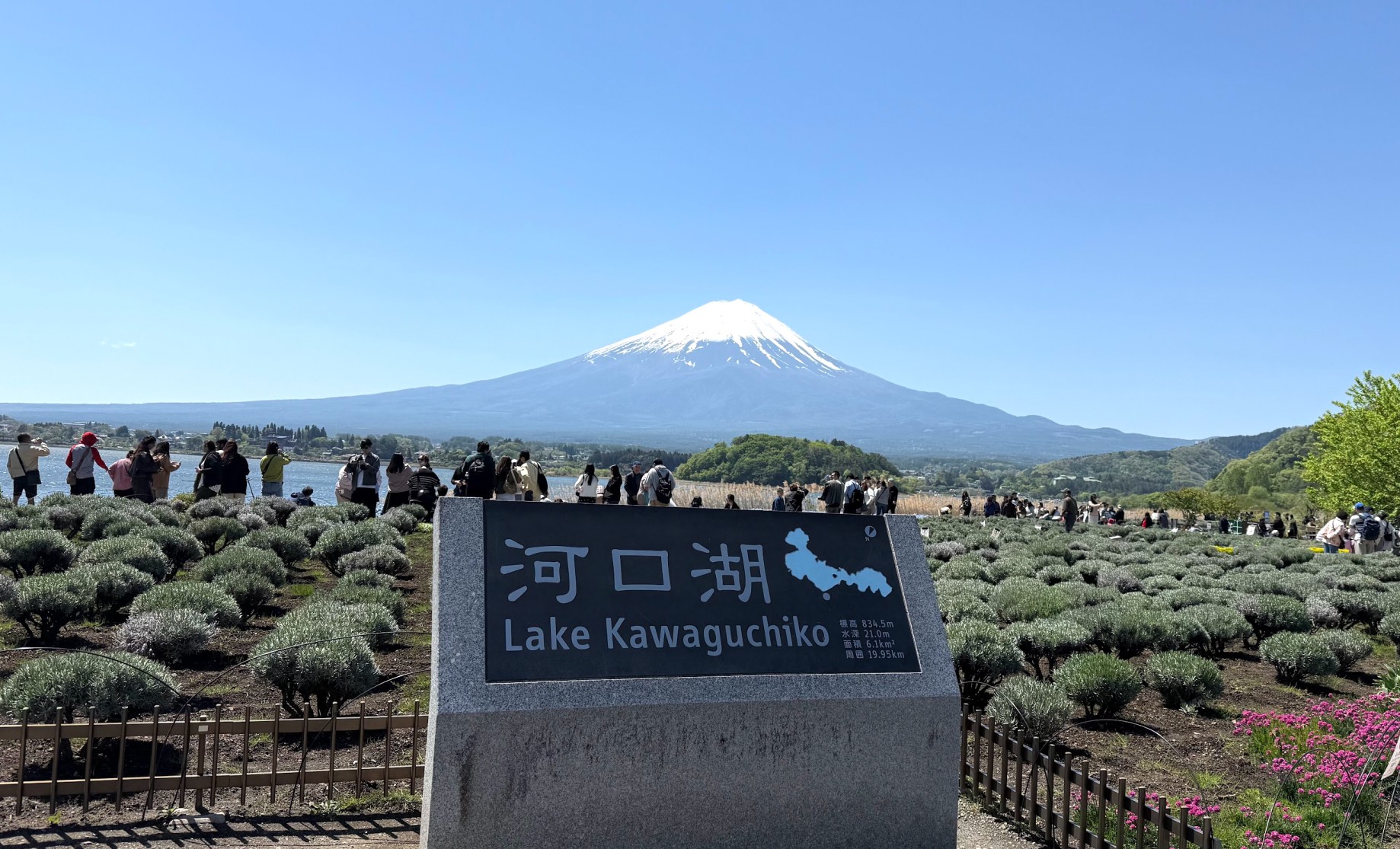
Lake Kawaguchiko: The Premier Gateway to Mount Fuji
Lake Kawaguchiko is the most accessible of the Fuji Five Lakes and offers arguably the most iconic, unobstructed views of Mount Fuji. Whether you are taking a scenic long drive from Osaka or a quick weekend trip from Tokyo, this lakeside destination is one of Japan's premier locations for experiencing seasonal natural beauty. The northern shores provide a stunning vantage point where the lake perfectly frames the mountain. Lake Kawaguchiko is designed for outdoor enjoyment, offering numerous vantage points to take in the sheer scale of Japan's tallest peak. Oishi Park (大石公園): Located on the northern shore, this park is essential for capturing the classic "lake and mountain" view with seasonal flowers in the foreground. A paved walking path allows you to stroll comfortably along the water's edge. Mt. Fuji Panorama Ropeway (富士山パノラマロープウェイ): If you enjoy a bit of elevation, taking this ropeway up Mount Tenjo rewards you with a sweeping, birds-eye view of both the lake and Mount Fuji. Momiji Corridor (もみじ回廊): Just off the lake's northern edge, this natural tunnel of maple trees is a spectacular sight in autumn, especially when illuminated at night.
View SpotNarusawa Ice Cave
Optional Spot

Shiraito Falls: Mount Fuji's Ethereal Wall of Water
Among all of Japan's waterfalls, Shiraito Falls (Shiraito-no-Taki) in Shizuoka operates on an entirely different level of beauty. Instead of a single river plummeting over a drop, the crystal-clear snowmelt of Mount Fuji filters through volcanic rock layers and springs directly out of a 150-meter-wide curved cliff face, resembling hundreds of delicate white silk threads. Designated as a UNESCO World Heritage site, this breathtaking natural wonder is an absolute must-visit destination in the Mt. Fuji region. In this comprehensive guide, you will find everything you need to plan your trip to this ethereal waterfall. Unlike traditional waterfalls, the geological magic of Shiraito Falls means the water flow remains remarkably consistent and vibrantly clear year-round, maintaining a cool 12°C even in the peak of summer. Shiraito Falls (白糸の滝): The main attraction. A short walk down a paved pathway brings you into a natural basin surrounded by a 150-meter arc of cascading spring water. The sound is a gentle, immersive rustling, living up to its name which translates to "Waterfall of White Threads." Because of its sheer width, standing on the viewing deck feels like being enveloped by a panoramic wall of water. Otodome Falls (音止の滝): Located just a 3-minute walk from Shiraito on the same trail, Otodome provides a stark, breathtaking contrast. While Shiraito is delicate and wide, Otodome is a violent, roaring 25-meter plunge of the Shiba River. The name means "Sound Stopping Falls," a nod to the local legend that its roar was so loud it drowned out all surrounding noise. The Mt. Fuji Backdrop: On clear days, as you walk the upper rim of the falls near the entrance, you can capture the iconic shot of the snow-capped Mt. Fuji towering directly over the lush green gorge.
View SpotMishima Station
Gallery