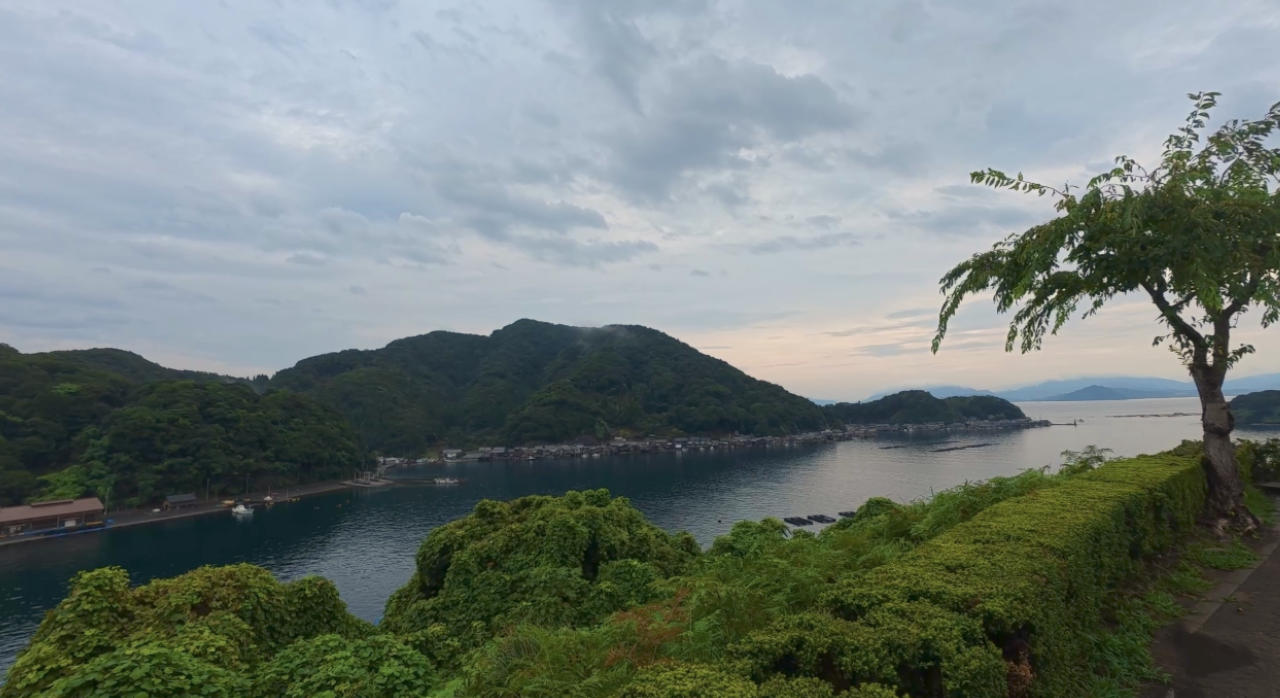
When most travelers think of Kyoto, they picture ancient temples, serene bamboo groves, and geisha walking down cobblestone streets. But head a few hours north to the rugged coastline, and you will discover a completely different side of the prefecture. Welcome to Ine Fishing Village, a coastal town where the houses appear to float directly on the crystal-clear waters of the bay.
Often referred to as the "Venice of Japan," this peaceful settlement offers one of the most unique architectural landscapes in the country and an unforgettable glimpse into traditional maritime life.
The name Funaya is remarkably literal. In Japanese, fune means "boat," and ya means "house."
Lining the curve of the bay for nearly 5 kilometers, there are around 230 of these traditional wooden boathouses. The architecture is ingeniously designed for a life intimately tied to the ocean. The first floor of a funaya sits at water level and serves as a boat garage and a workspace for preparing fishing gear or drying fish. The second floor serves as the primary living space, offering the residents sweeping, unobstructed views of the water right from their bedroom windows.
The Miracle of Geography: Why Doesn't it Flood?
If you see houses built directly on the water's edge, your first question is likely: How do they survive storms and high tides?
The preservation of these houses is a geographical miracle. Ine has virtually no record of severe flooding, and the secret lies in the bay's natural design. The town is perfectly shielded by towering mountains that block the harsh winds and typhoons blowing in from the Sea of Japan. Furthermore, the bay faces south, sheltering it from rough northern swells.
Just steps away from the houses, the sea floor drops rapidly, measuring between 3 to 5 meters deep. This deep water prevents large waves from building up and crashing into the shoreline. This unique topography keeps the waters incredibly clean, calm, and glassy year-round.
Seafood and the Tradition of "Mondori"
Because the water right outside their doors is so deep and pristine, locals practice a traditional fishing method called mondori.
A mondori is a specialized trap or basket that residents simply drop from the first floor of their funaya directly into the sea. They leave it submerged overnight, and by morning, it is often filled with fresh fish, crabs, or sea snails for the day's meals. Unsurprisingly, Ine boasts some of the most spectacular, freshly caught seafood in all of Japan. Visiting a local restaurant to enjoy a seasonal sashimi bowl or yellowtail hotpot is an absolute must.
Cruising the Bay: See the Village from the Water
To truly appreciate the floating aesthetic of the boathouses, you need to see them from the water.
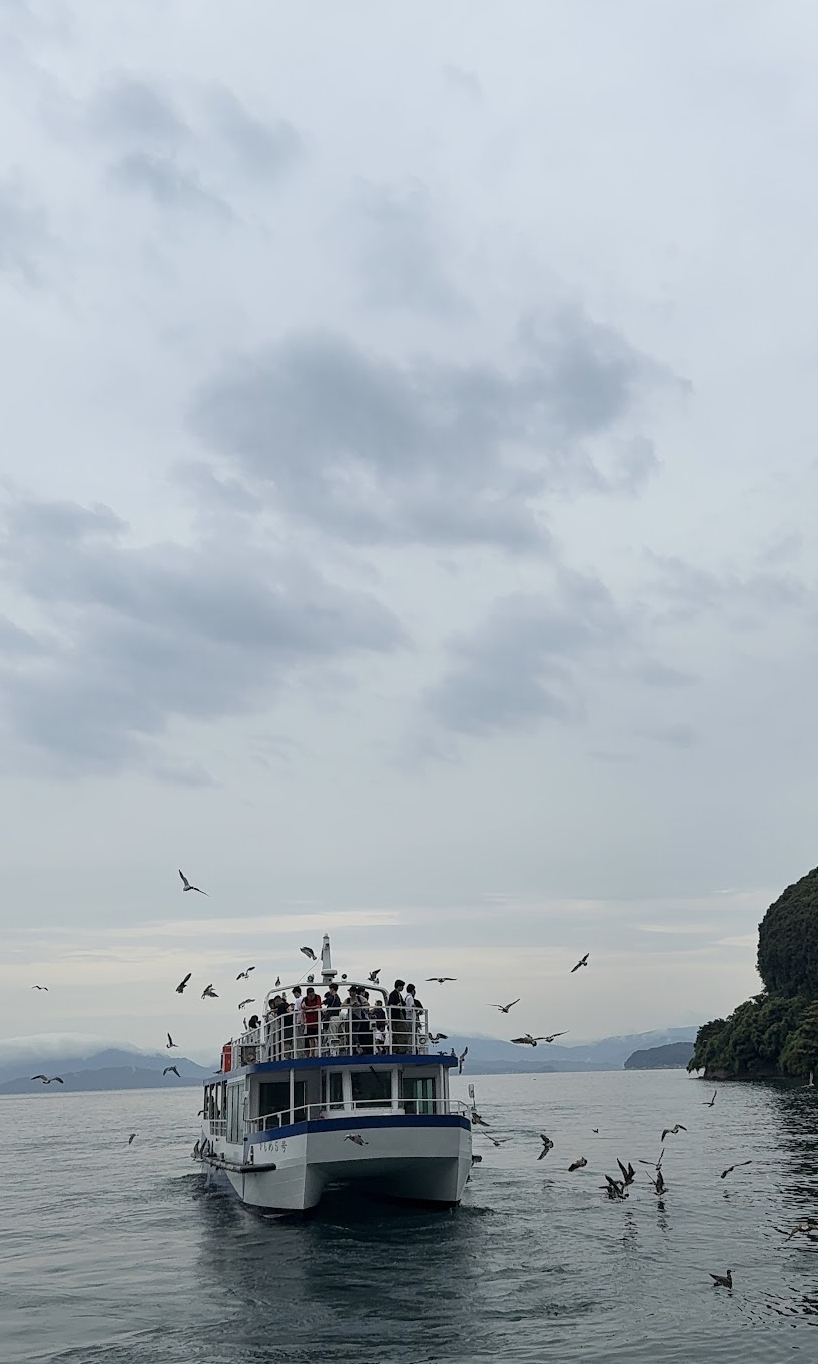
Ine Bay Sightseeing Boat: Taking a large sightseeing cruise is a fantastic way to take in the sheer scale of the village. The boat takes you on a gentle, 25-minute loop around the bay. You can even purchase snacks to feed the seagulls and sea hawks that follow the boat, making it a highly interactive and photogenic experience.
Sea Taxis: For a more intimate look, local fishermen operate smaller "sea taxis." Because these boats are compact, they can get much closer to the funaya garages, and the captains often share personal stories and history about the village.
.jpg)