Kayabuki no Sato Guide: Exploring Miyama's Hidden Rural Hamlet
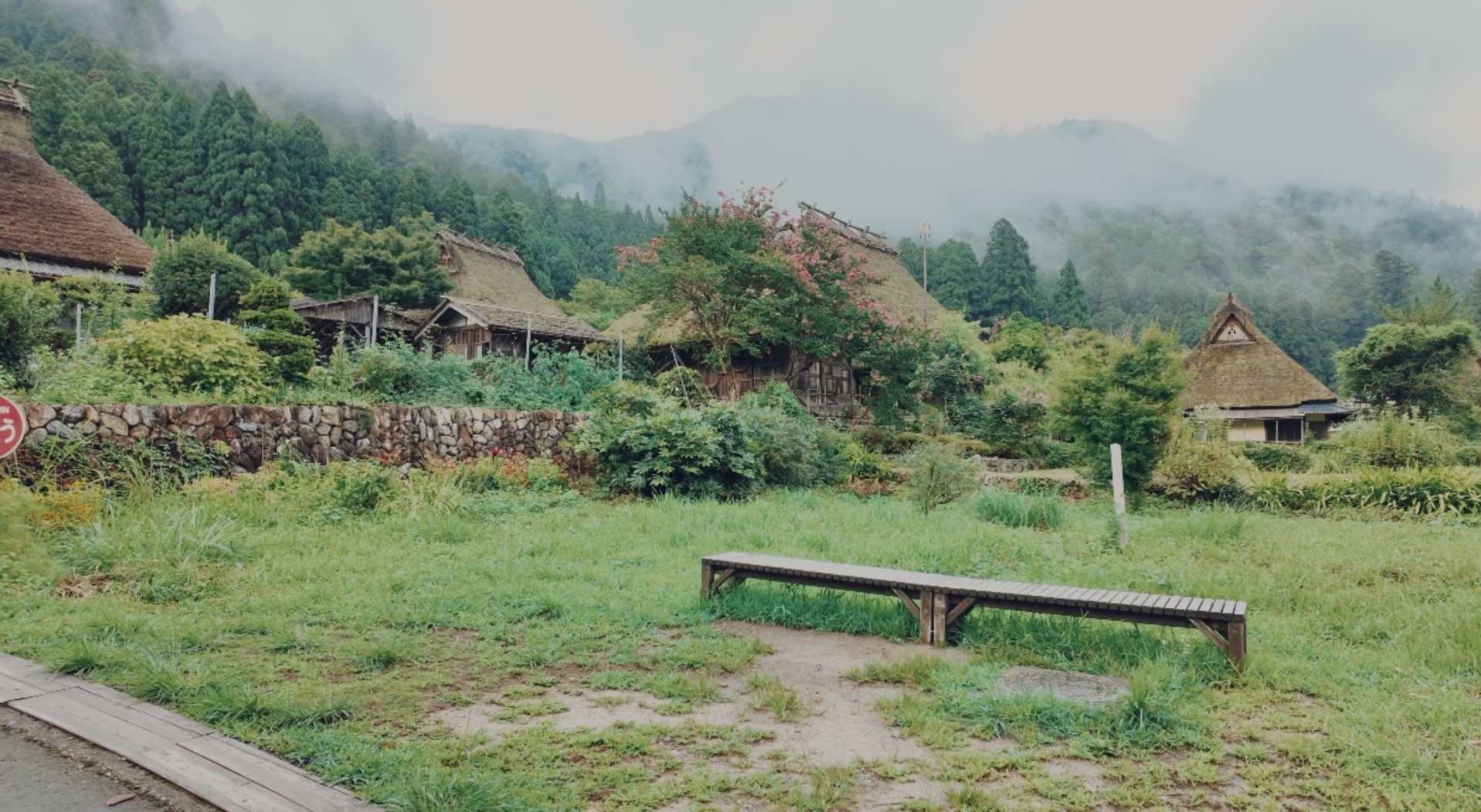
While the iconic thatched roofs of Shirakawa-go are undoubtedly spectacular and draw crowds from around the world, finding that exact same historic rural charm without the overwhelming tourist density is entirely possible. Just a scenic two-hour drive north of the Kansai urban sprawl lies Miyama’s Kayabuki no Sato, a stunningly preserved traditional village in Kyoto Prefecture that feels completely untouched by modern time.
Here is everything you need to know about experiencing this incredible piece of Japanese heritage.
What is Kayabuki no Sato? A Living Rural Hamlet
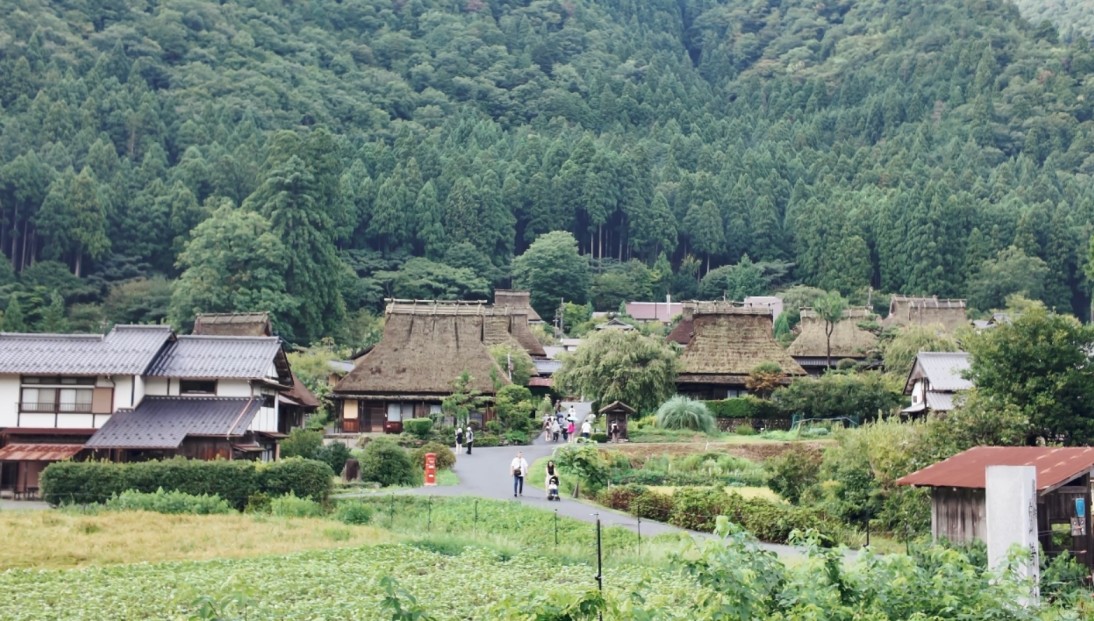
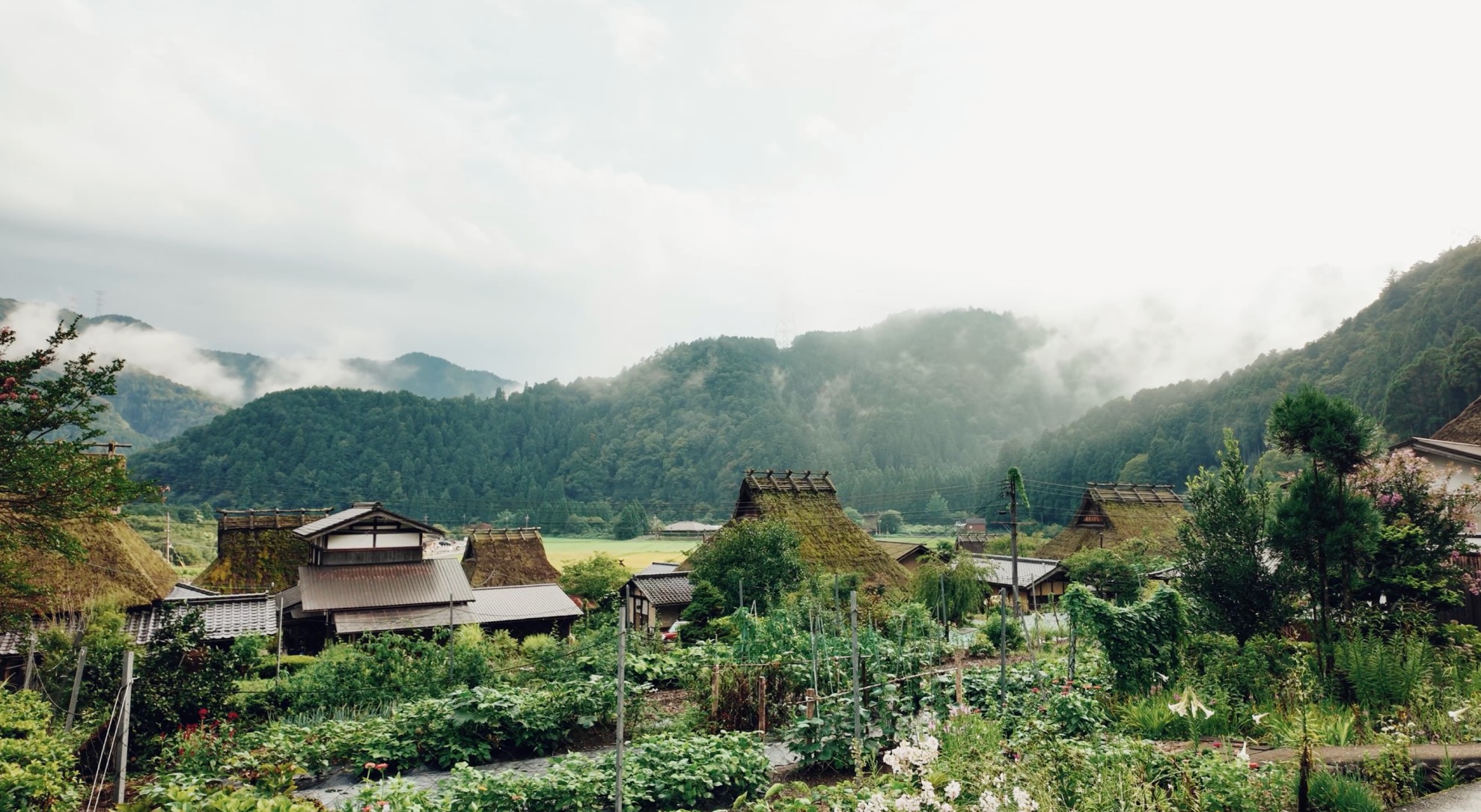
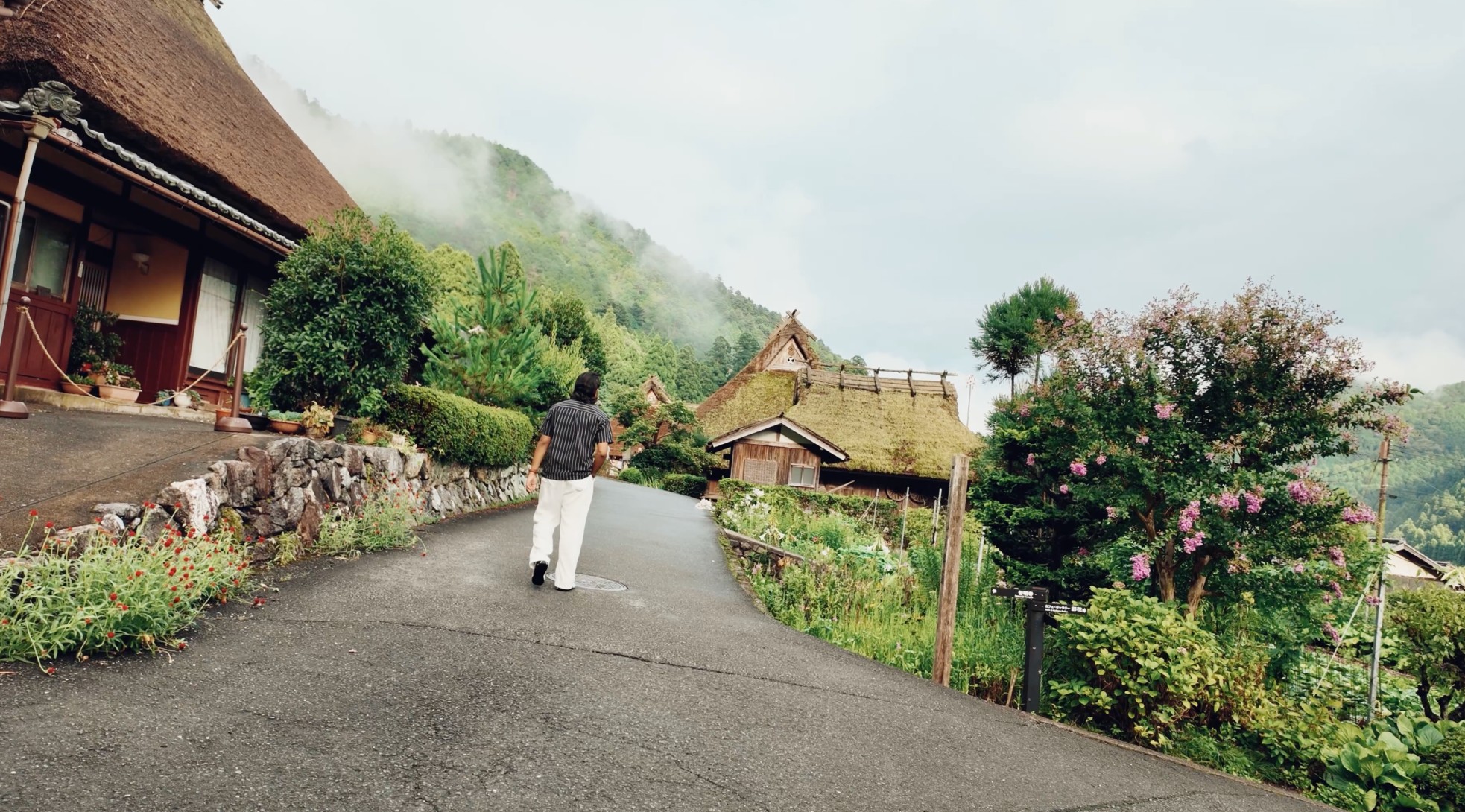
Unlike many historic areas that have been converted entirely into open-air museums or commercialized tourist traps, Kayabuki no Sato is fundamentally a living, breathing agricultural hamlet. Out of the 50 houses clustered along the gentle mountain ridge, 39 still feature traditional thatched roofs.
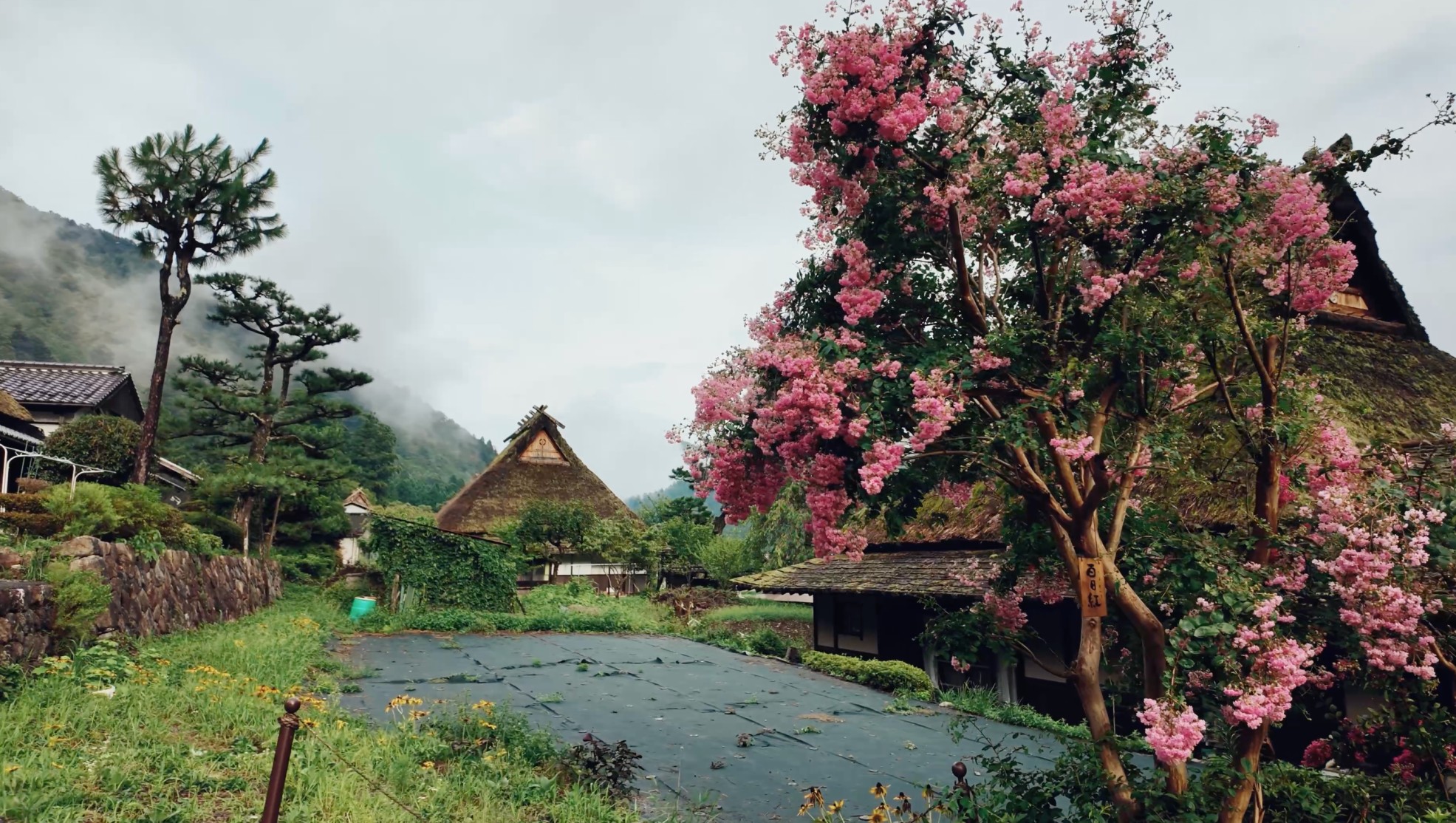
Walking through the winding lanes, the contrast to city life is immediate. The village is surrounded by towering cypress forests, vibrant rice paddies in the spring, and blooming buckwheat fields in the late summer. Despite the serene, old-world aesthetic, the local residents still go about their daily lives here, beautifully blending the peaceful quiet of the traditional Japanese countryside with the convenience of modern amenities.
A Window into Edo-Period History
The architecture here is specifically known as the Kitayama style, featuring distinct irimoya-zukuri (hip-and-gable) roofs. The majority of these magnificent structures were built between 150 and 220 years ago, spanning the middle of the Edo period through the early Meiji period.
Historically, this area of Miyama sat along the Saba Kaido (the Mackerel Road), a vital trade route that connected the seafood-rich coastal town of Obama in Fukui Prefecture to the ancient capital of Kyoto. The village served as an important hub for travelers and merchants transporting goods, playing a crucial role in regional commerce centuries ago. Today, preserving this original Japanese landscape—often referred to as satoyama, representing the harmonious coexistence of nature and human life—is culturally vital for the nation.
The Incredible Art of Preservation
Maintaining a village made of wood and dried grass in the 21st century is no small feat. In December 1993, the area was officially designated as an Important Preservation District for Groups of Traditional Buildings by the national government.
This preservation relies heavily on immense community effort. The thatched roofs are crafted from locally grown susuki (pampas grass). Because these "breathing roofs" are incredibly well-insulated but naturally degrade over time, they must be completely re-thatched every 15 to 20 years. Traditionally, the whole village would gather to help with the grueling labor, though today the task requires the help of specialized craftsmen. The community even jointly funds a local company to manage the few restaurants and shops, ensuring the village generates revenue to protect the landscape while providing jobs for local youth.
Because the raw materials are highly flammable, fire poses a severe existential threat to the historic buildings. To protect their heritage, the village conducts a spectacular "Water Discharge Drill" twice a year (usually in May and December). During this drill, water cannons hidden inside small wooden huts simultaneously spray giant arcs of water high over the roofs, creating a beautiful and reassuring display of modern preservation.
Things to do during your visit:
-
Miyama Folklore Museum: Step inside a reconstructed 19th-century farmhouse. Here, you can walk across the dirt floors (ageniwa), view the traditional open hearths, and look up into the intricate wooden beams that hold the massive grass roofs together.
-
The Little Indigo Museum: Housed in a residence from 1796 (the oldest in the village), this museum features rare indigo dyeing collections from around the world.
-
Taste the Local Soba: Stop by a local cafe for a plate of handmade soba noodles crafted from Miyama's own locally grown buckwheat.
Taking the time to slow down and wander through the pedestrian paths of Kayabuki no Sato offers a rare, unobstructed window into a version of rural Japan that is rapidly disappearing. It is a highly recommended day trip for anyone looking to step out of the city and into history.
Gallery
How to get there
Featured Content
You might also like
Ine no Funaya: Step Inside Kyoto's Magical Floating Fishing Village
sightseeing
Wazuka: Kyoto’s Hidden Green Tea Valleys
sightseeing

Shirahama Underwater: Discovering Wakayama's Ocean Magic at Blue Life Diving
activity

Amaharashi Coast: Breathtaking Ocean Views and the Tateyama Mountain Range
sightseeing